







PowerStation Gallery, 2017 - 2021 Read more {{currentSlide}}/{{total}}
Build on Ruins – PowerStation Gallery
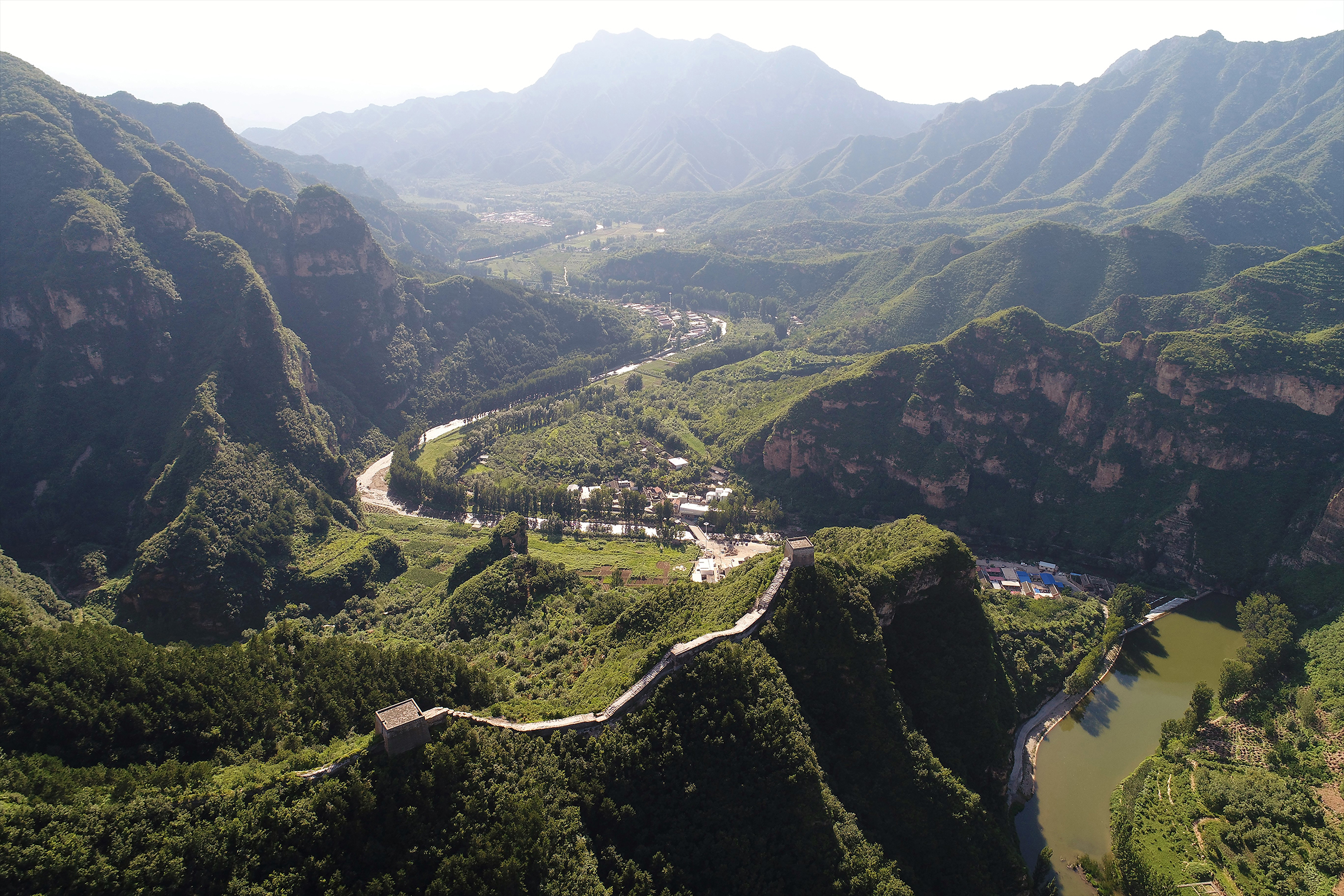
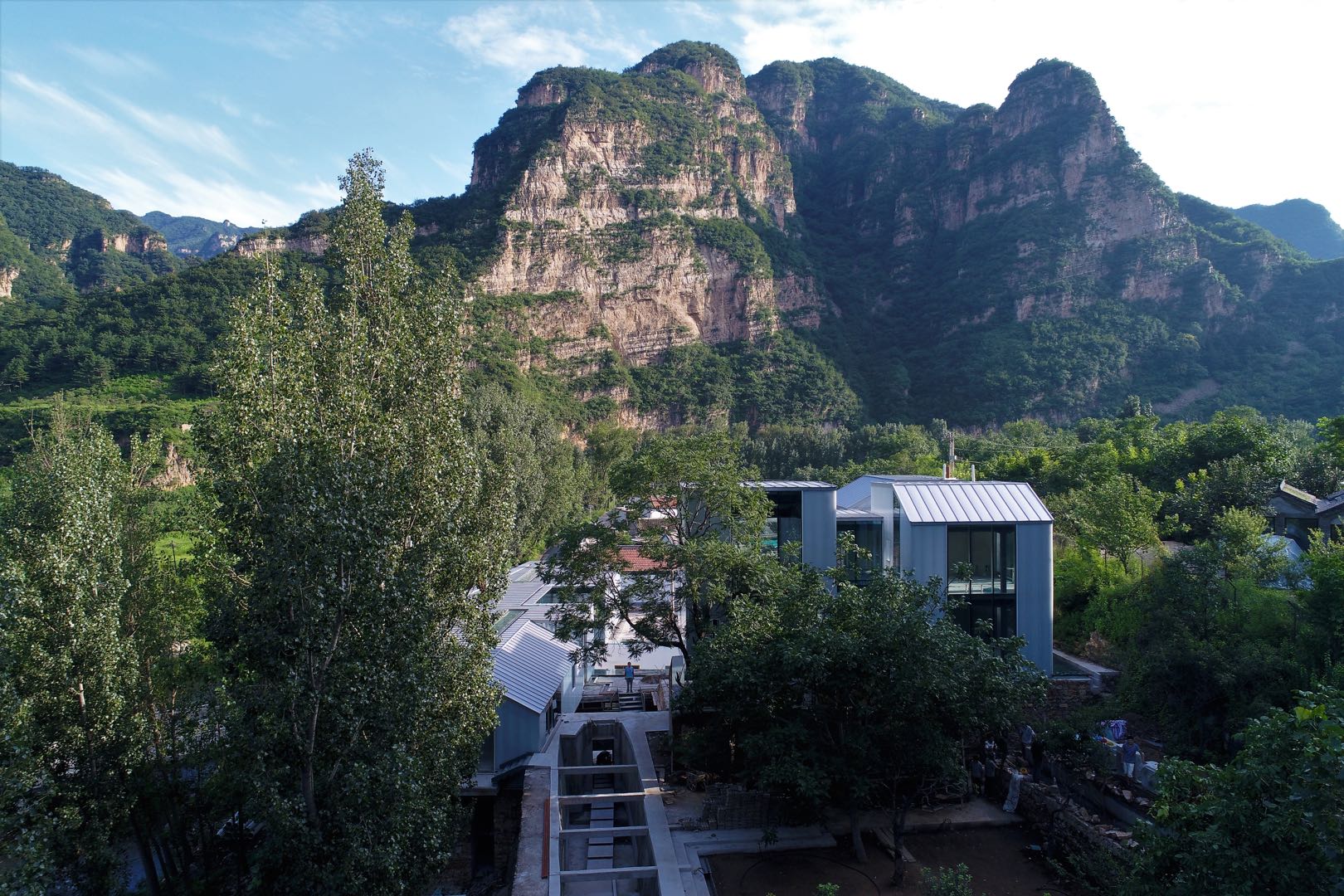
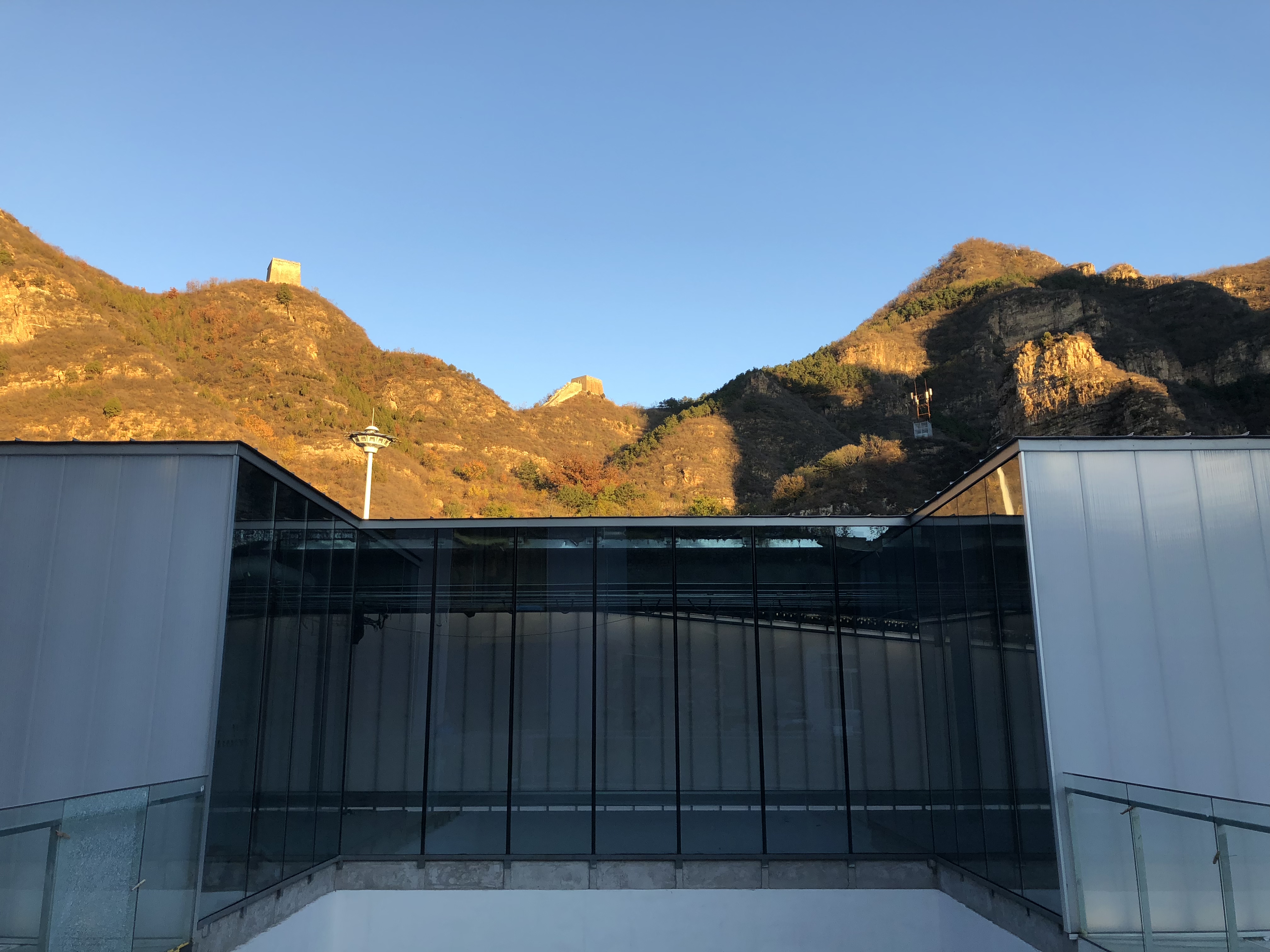
Tourism in the rural countryside has seen an upturn within China in recent years, with many of the younger demographic finding this a popular alternative to international trips. This has led to a boom in boutique hostel industry implanted in villages, with demand high for an authentic experience. The Powerstation complex was considered an ideal location to renovate due to its proximity to the great wall and natural scenic beauty.
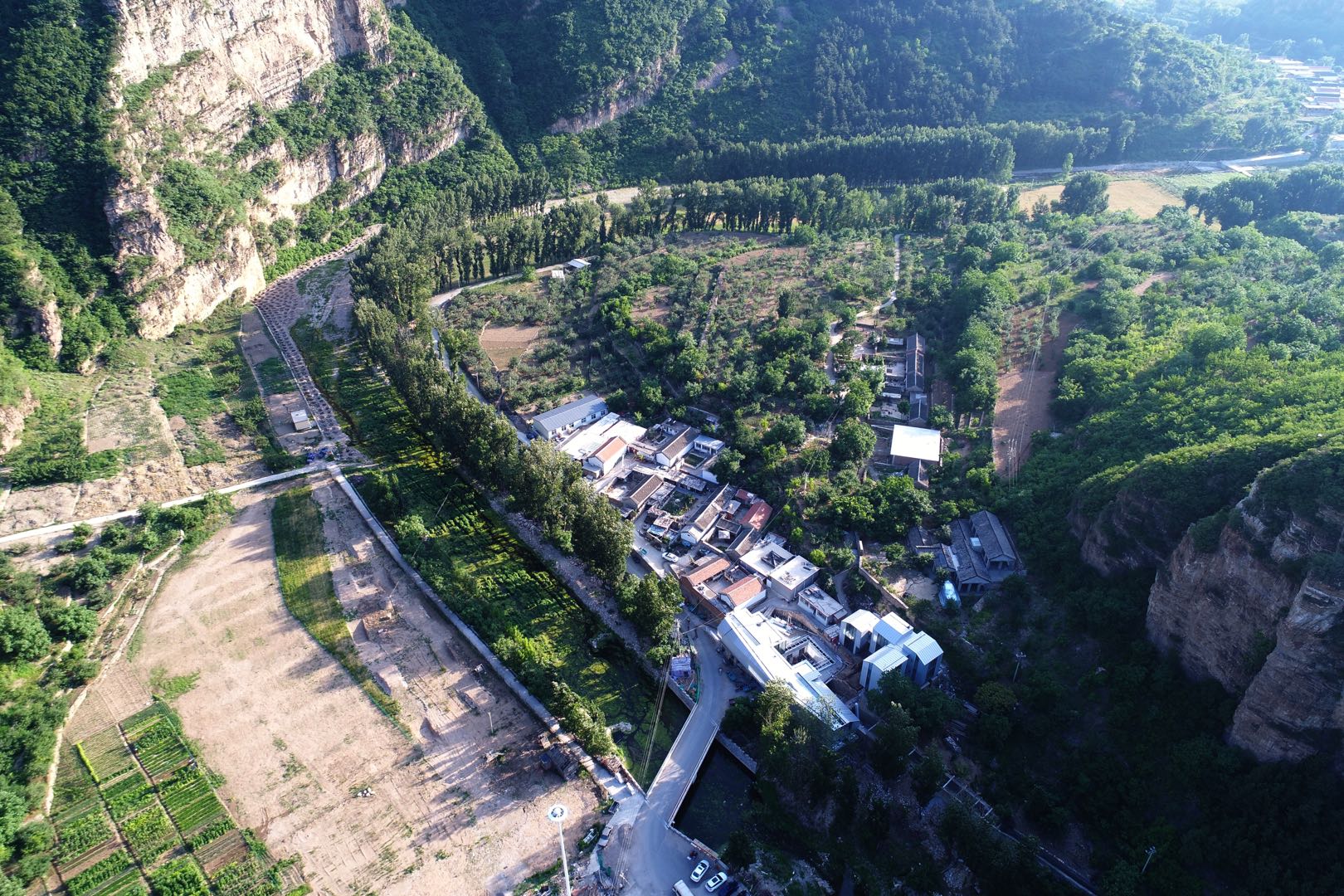
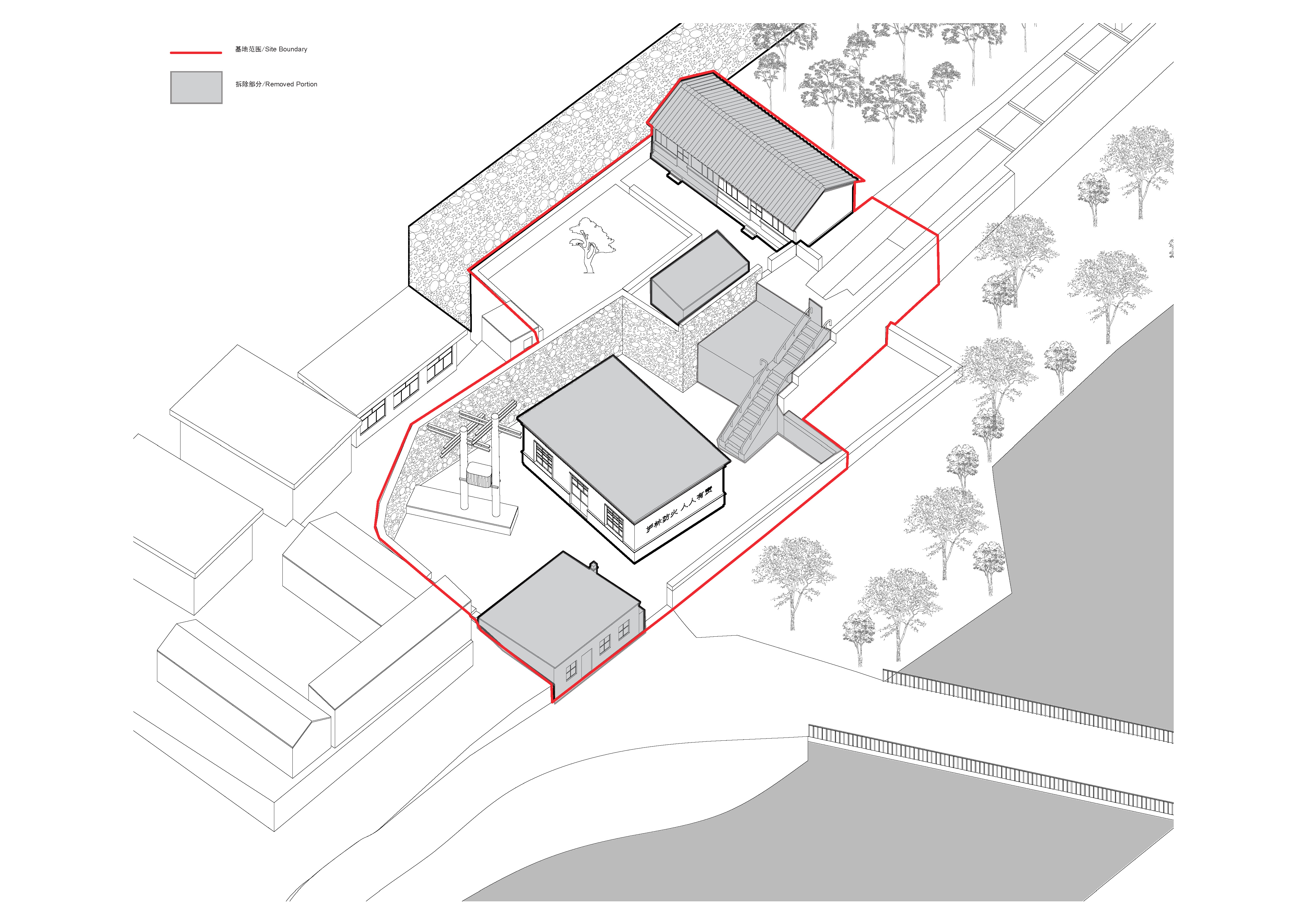
Built during the Cultural Revolution (1950-1960) the hydroelectric Power station provided electricity for the surrounding farming communities. The water for the hydroelectric station was funnelled from a small man made dam, 1km upstream along an aqueduct which hugs the mountain ridge. A turbine hall is housed in the basement of a single industrial brick control station and accessible through a single set of stairs. The site was a mixture of remnants from the recent past. Dormant Industrial machinery, walls of mud brick concrete and rubble, vegetation, previous excavations of mountain faces. The site encompassed homes from the village some inhabited others in a state of dereliction.
Inside Out
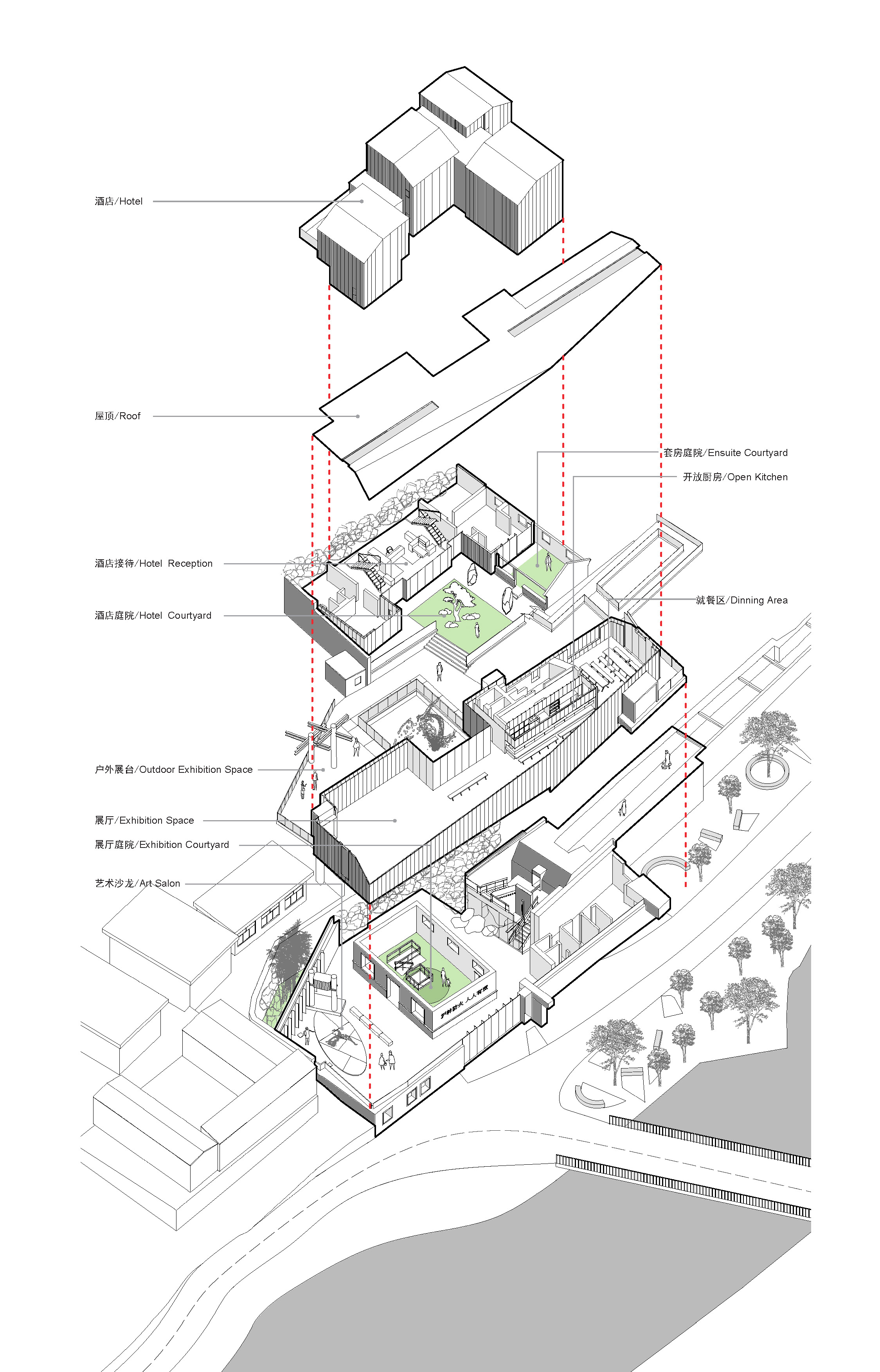
waa was tasked in adapting this industrial building and designing the surrounding masterplan scheme with a programme of permanent Gallery to exhibit three main programs. A salon, restaurant and hotel functions. It was decided to draw out and stretch the time to enter the main cluster. To impart this previously hidden process we engaged visitors to walk the aqueduct, and form a procession route to the building. Visitors enter at the tip of the dam a kilometre away echoing the historical flow of water. A series of site specific Arts interventions where planned to be curated along this route, and we hoped the experience brings awareness to traces of recent industry and awareness of power generation process’.
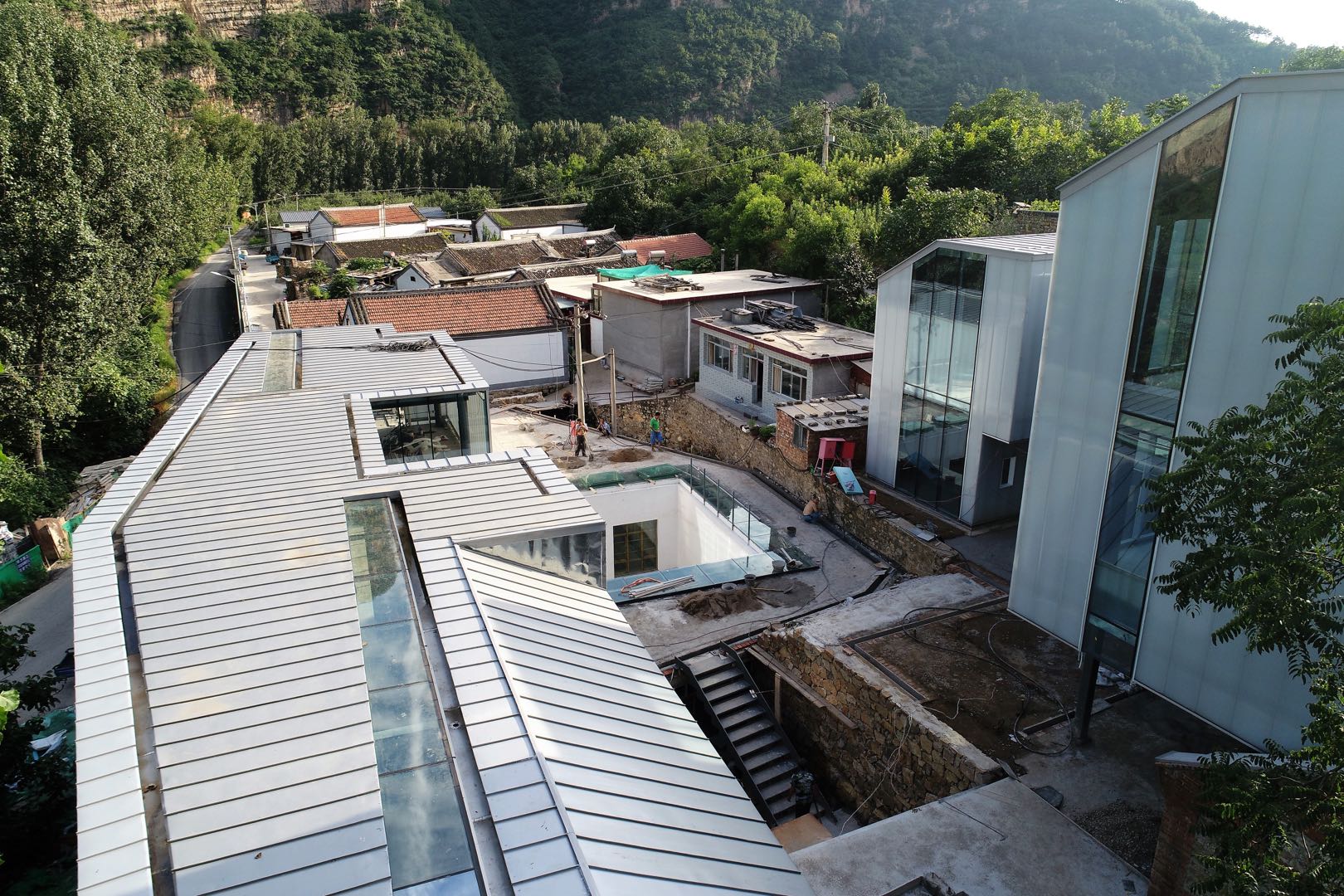
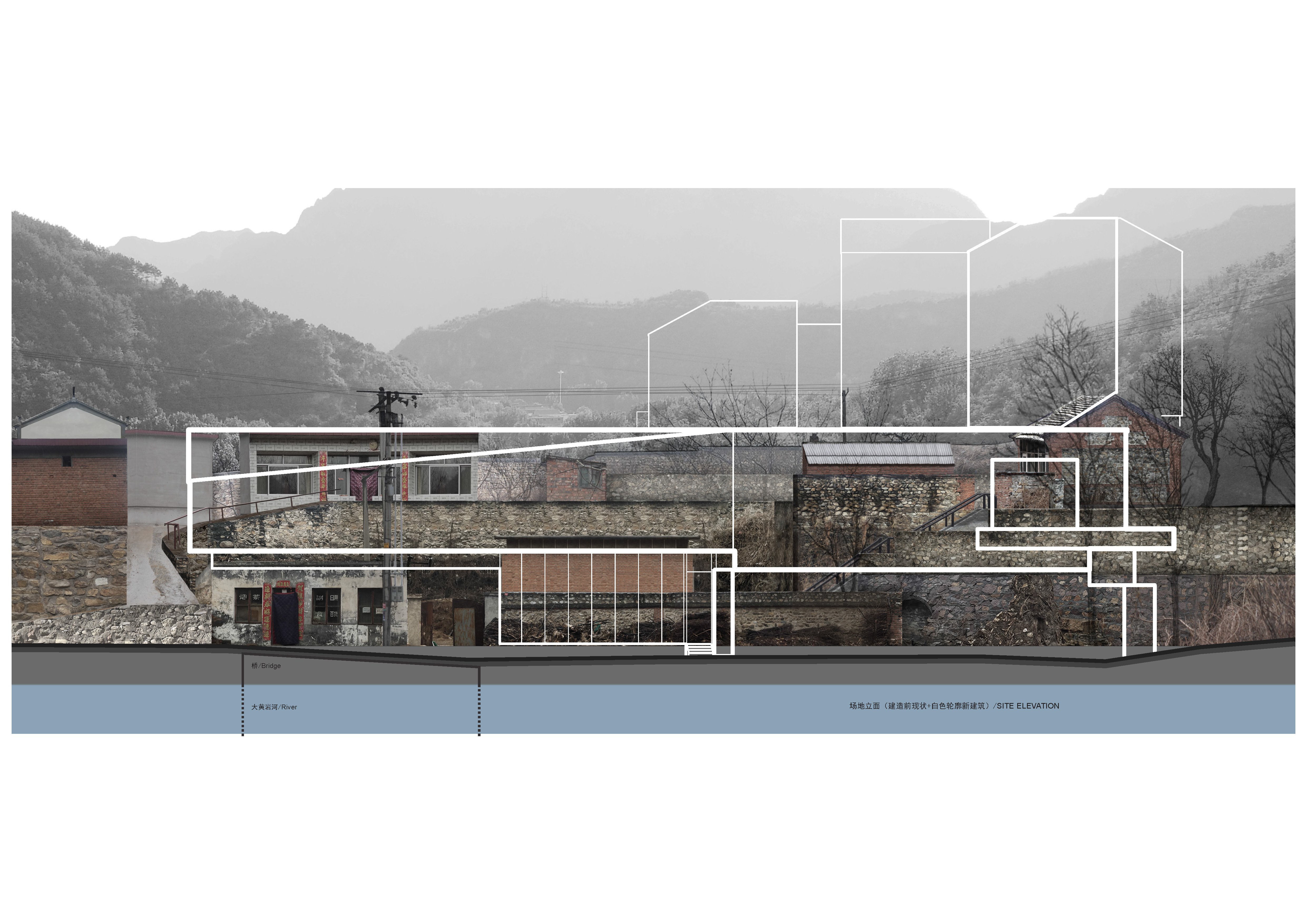
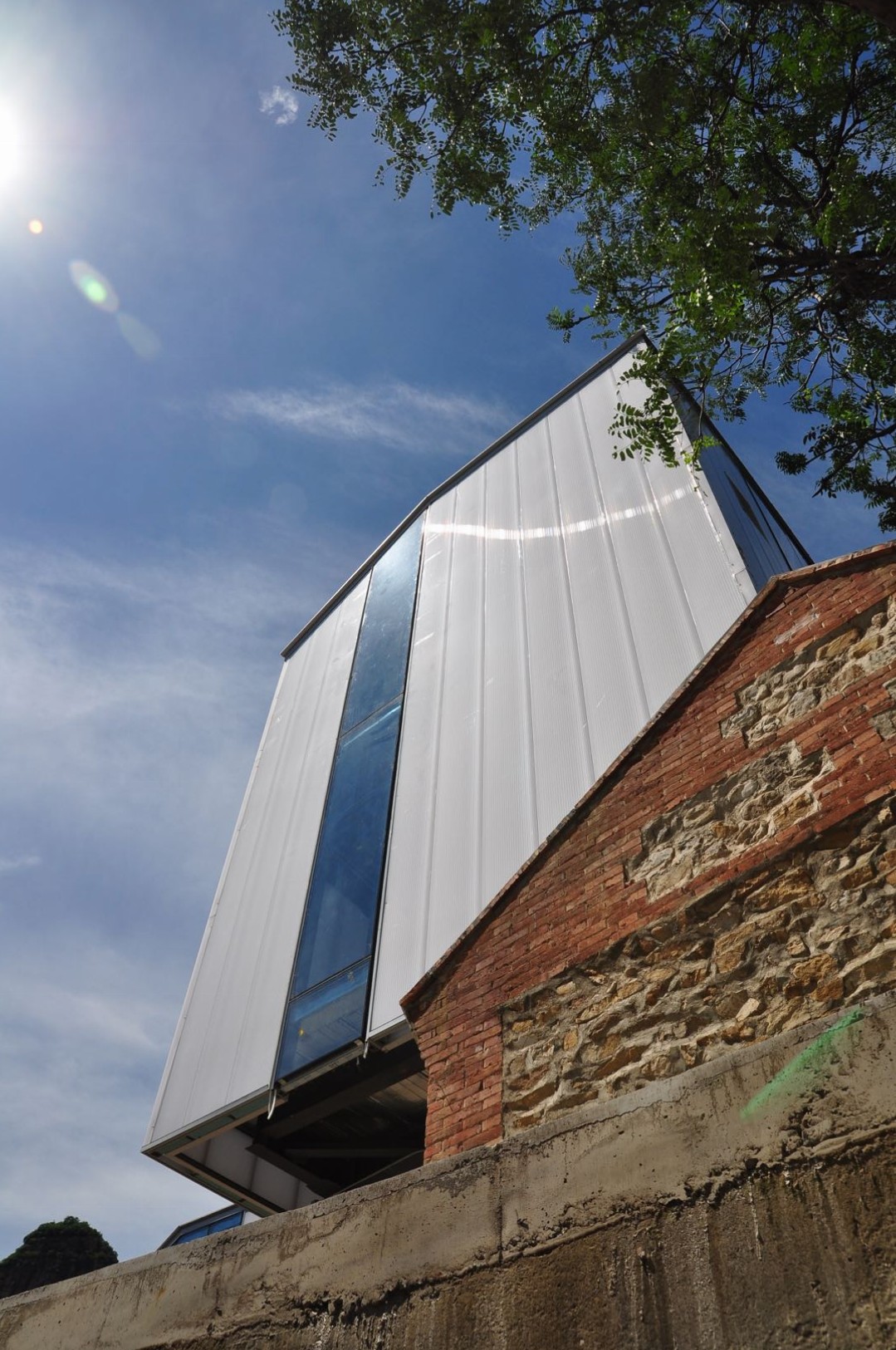
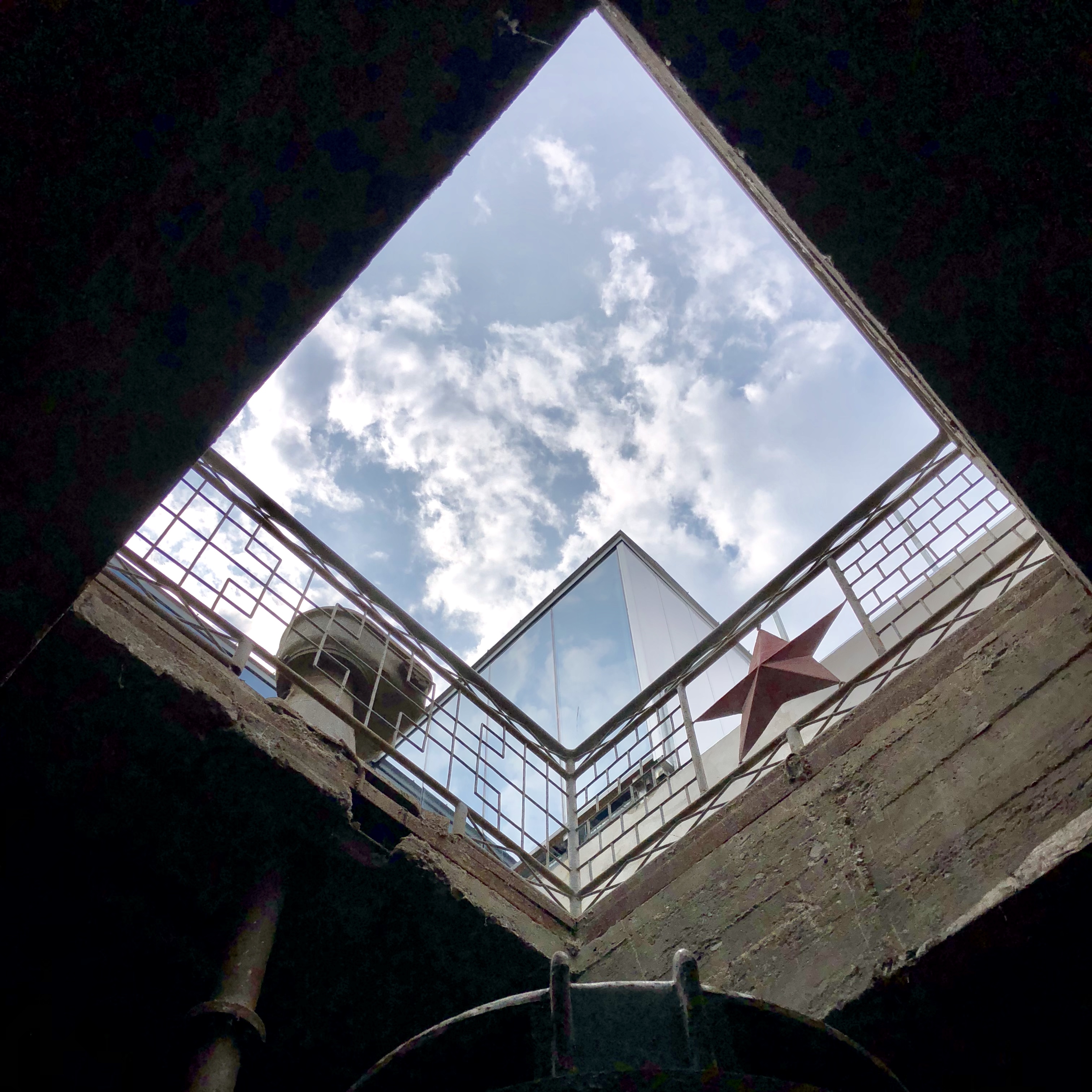
Unfortunately the existing area of the power station was insufficient to function in its new incarnation and required greater area. The plan was reversed, flipped Inside out so the surrounding site was to be made internal, to maximize the available area of the yard into a ground floor which encompasses a multifunction salon and offices. Memories of the past where enshrined through keeping selected Machinery, Retaining walls Windows from demolished buildings, and perimeters of previous homes and courtyards. The Old PowerStation’s roof was removed and this now became a focal central courtyard from which all massing orientates towards. A prominent Site specific sculpture was commissioned to occupy the centre of this courtyard and access was maintained to the turbine room below, beneath the sculpture. The courtyard can be viewed from the accessible roof. It allows views down to the courtyard, and acts as access to a long linear permanent gallery space, balanced parallel to the road. Sitting parallel to the site constructed in poly carbonate this acts as a beacon in the surrounding valley. Adjacent to the Gallery We carefully arranged a cluster of 9 hotel rooms to fit the scale of the existing village context addressing the inner courtyard. These push back to minimize the visual obstruction for the village. Access is granted to the aqueduct from an additional courtyard housing a staircase for roof access. The Water path once destined for the turbine has been detached, it spews water into a central pool, a fitting symbolic gesture to the past.
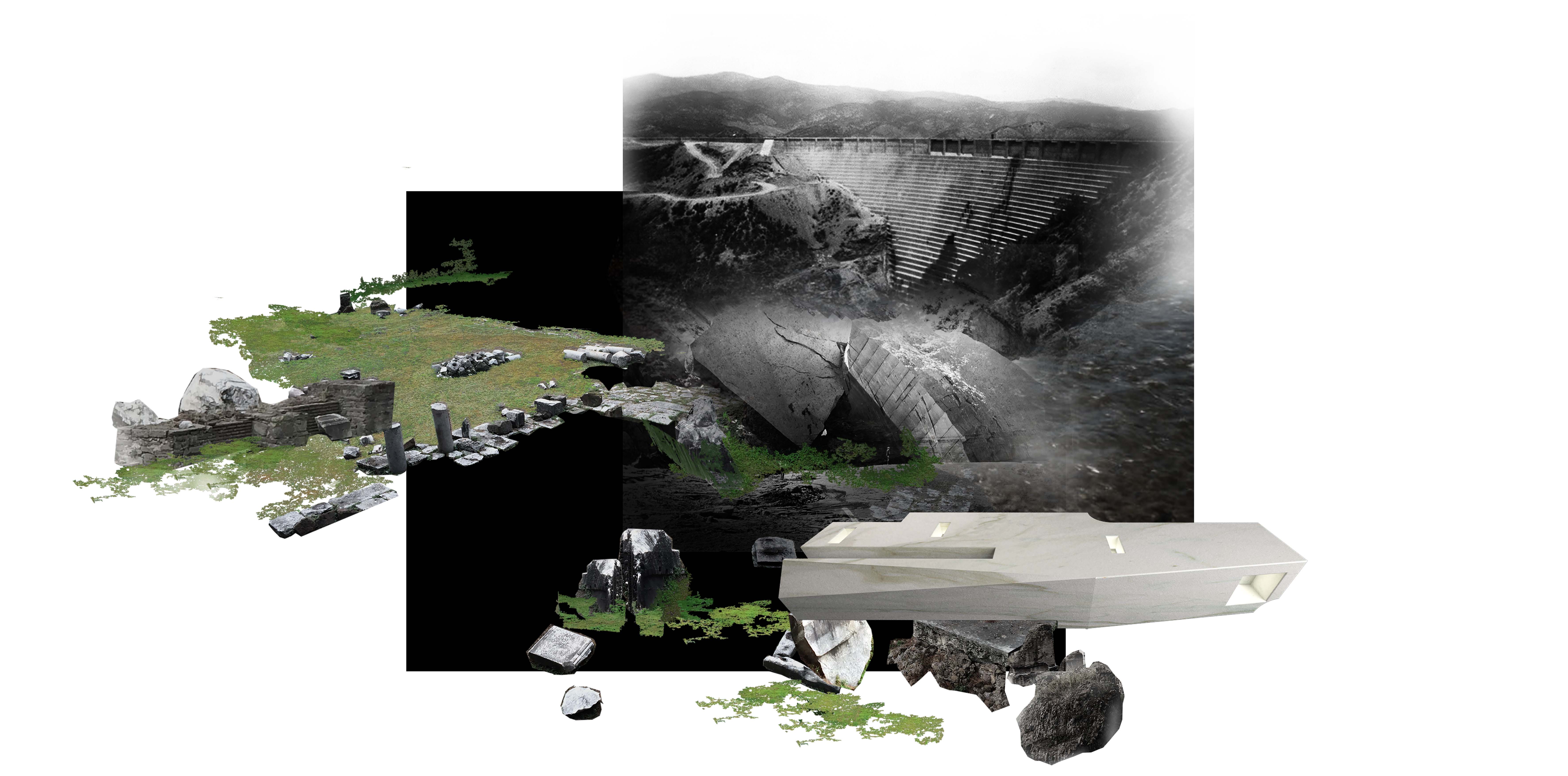
With such rich context it was easy to mark Time through existing layers and traces of past expansions and slap dash fixes. We chose to use semi-translucent polycarbonate, it provides soft internal light and surreal optical effects help to balance a lightness of touch against the rock, brick and concrete whose rough hard remnants dot the site. This new layer for future was not a case of replicating a local vernacular more a sequence of revealing archeological portions of this context in careful order. Creating a balance in the degree of change and the awareness of reading time selectively through modern materials.